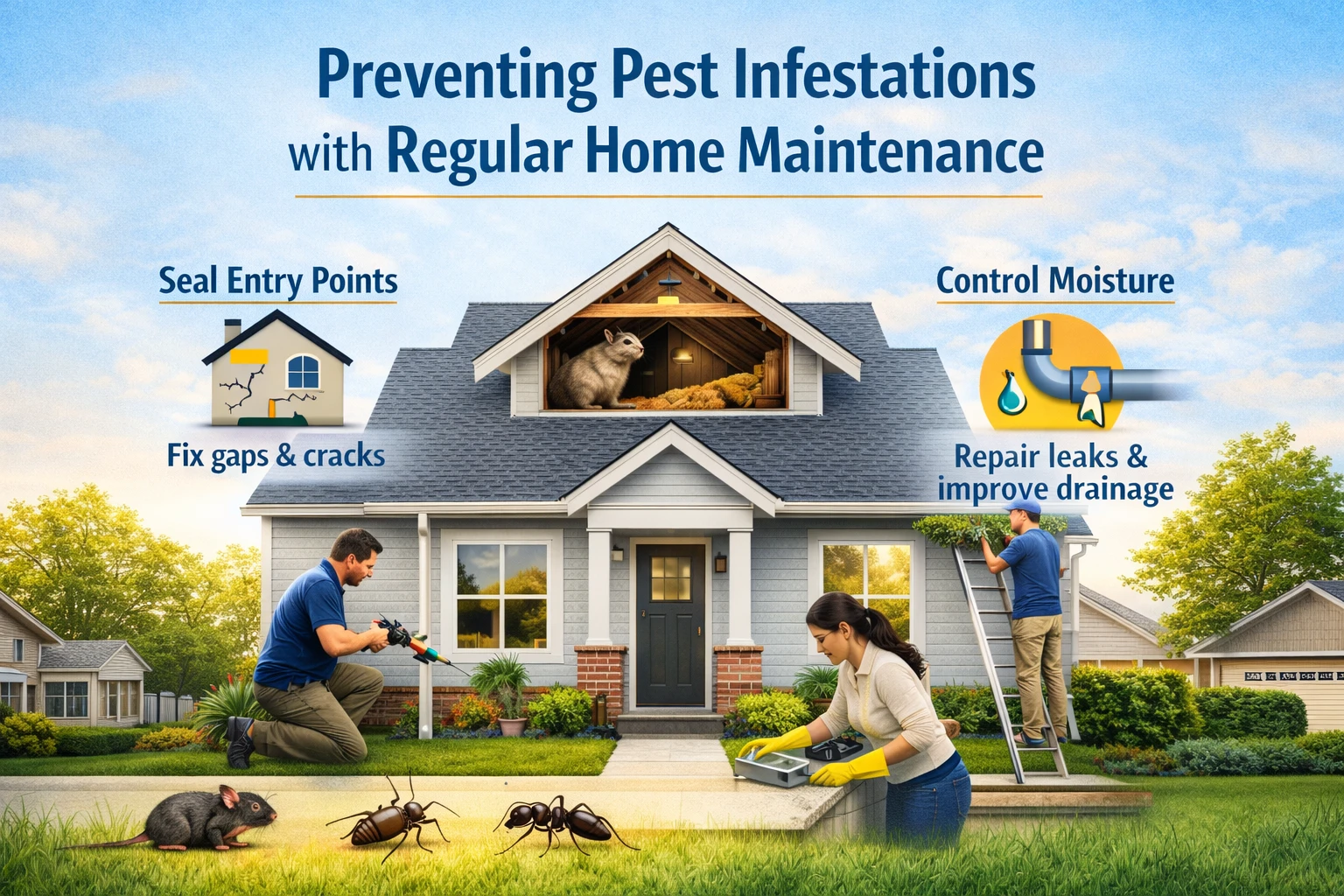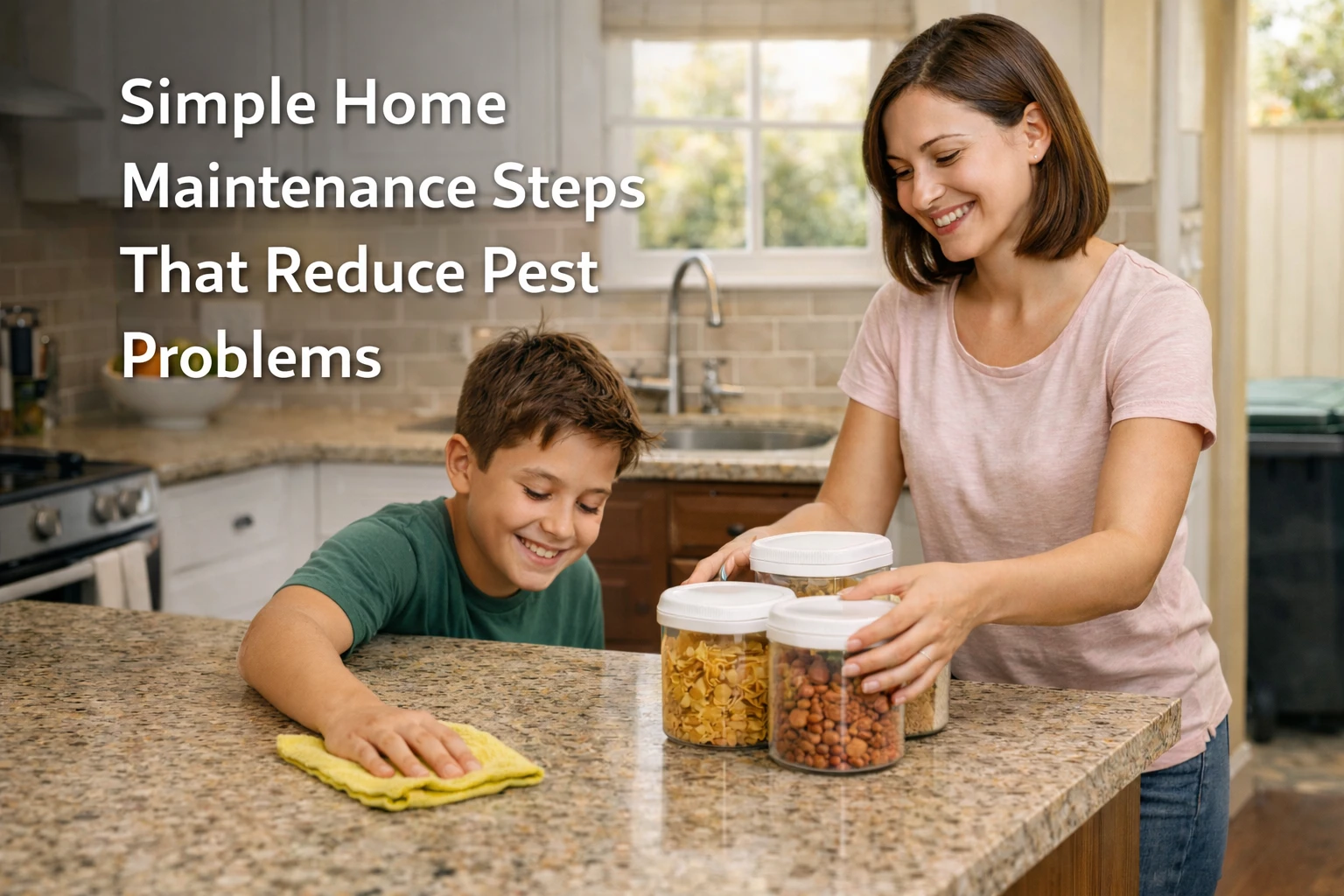

It usually takes days or even months for homeowners to figure out the real cause of the problems associated with the moisture in their house. In the extreme cases, a house becomes infested with pests or just breaks down. Moisture control pest management ensures structurally sound and healthy living spaces through moisture control and pest management.
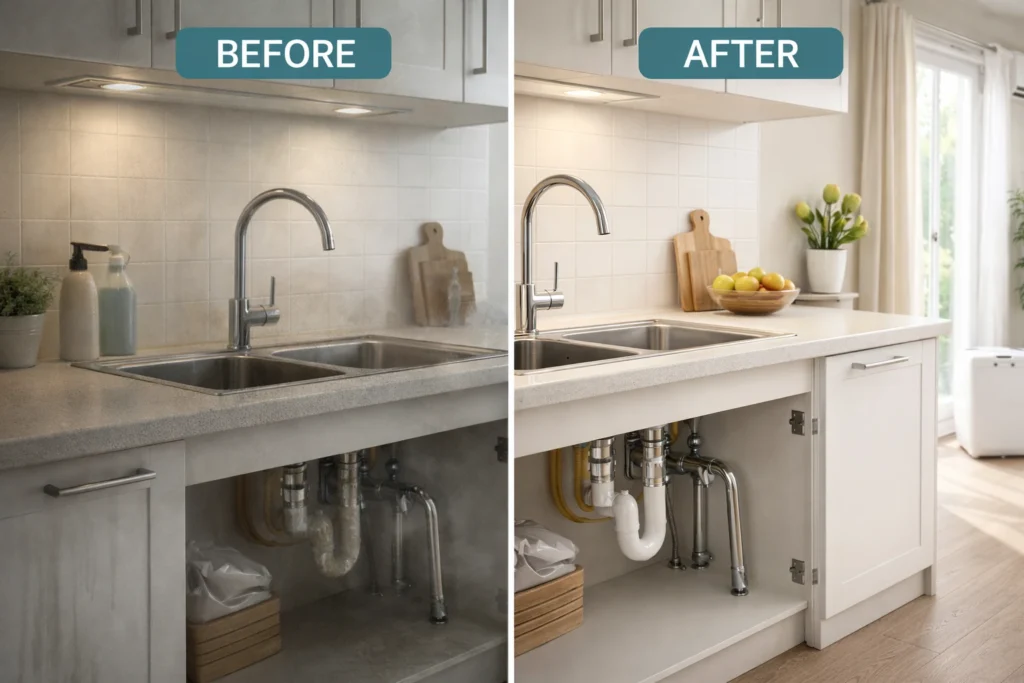
This paper focuses on how moisture attracts pests, identifies places where moisture can hide in residential homes and presents some steps home-owners can take to reduce pest incursions through moisture control.
Understanding the Link Between Moisture and Pests
Pests are dependent on moisture to a large extent for their survival. While food sources may be varied, water is a necessity to both insects and rodents. Pests can multiply much faster and remain hidden for longer periods in damp environments.
Basically, moisture control pest management is about reducing the humidity to a level at which pests can no longer find all the necessary conditions for their survival. Such a measure is aimed at preventing the problem instead of repeating the treatment, and is therefore an ideal method for the maintenance of a home over a period of time.
Common Household Pests Attracted to Moisture
Most frequently pests that are found in a house are those which are in some way dependent on the presence of moisture and the resulting damage of a house.
Cockroaches
Cockroaches are the original citizens of residential areas and they always find places where they can live and multiply in secret. They usually like to hide and increase in number in damp and dark places, such as the areas under the sinks, behind the fridges and close to the water drainage pipes. Even small water leaks are quite enough to sustain them for a long time.
Ants
Ants are commonly attracted to moist earth near the foundation and kitchen or bathroom areas that have excess moisture. Also, moisture facilitates them in the formation and protection of their colonies.
Mosquitoes
When it comes to mosquito breeding, uncovered water in balconies, bathrooms, or any poorly drained areas will become the breeding place, leading to a rise in indoor infestation risk.
Termites
Termites can be readily associated with the wood that is damaged by moisture. Damp foundations and leaking pipes provide the timber for the structural purposes to be more easily accessible by termites.
Hidden Sources of Moisture in Homes
Understanding how moisture is accumulating in our home is an eye-opening experience to most homeowners. Knowing the different sources of moisture inside the house is an integral part of managing moisture control and pest management together.
Leaking Plumbing
Leaks under the sink or inside the walls that are hidden are still slowly releasing moisture into the spaces that are enclosed as no one is aware of the leak.
Poor Ventilation
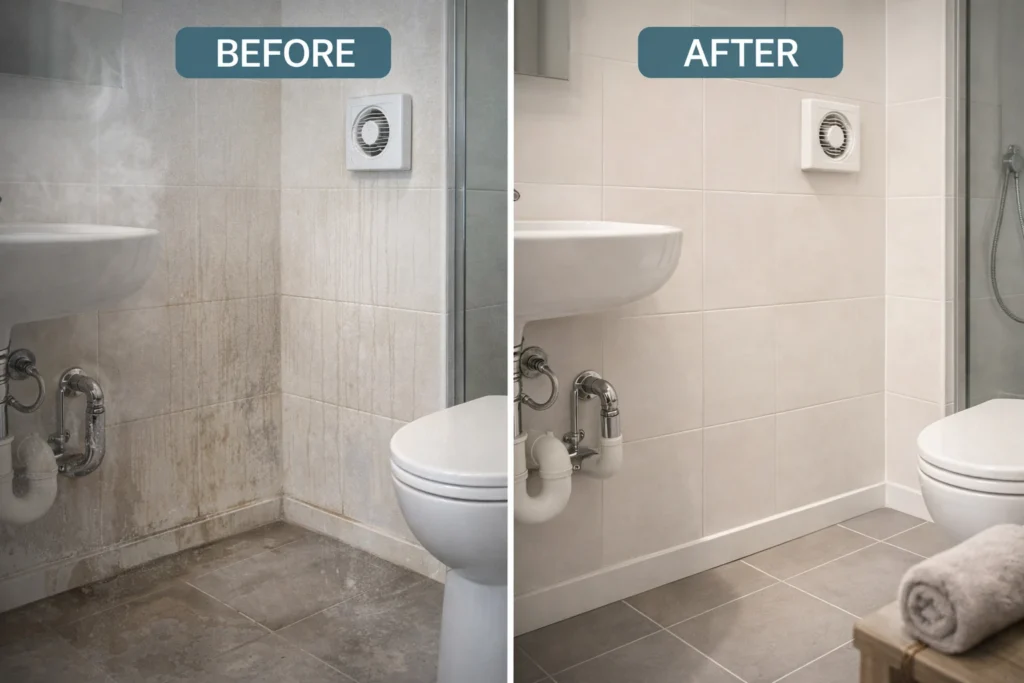
Bathrooms, kitchens, and utility rooms tend to hold in the steam if there is no proper ventilation, thus increasing the level of humidity.
Wall Seepage and Dampness
Any cracks on the outer wall or lack of proper waterproofing will let the moisture in during the wet weather or high-humidity seasons.
Condensation
In a warm country, air conditioners, cold water pipes, and windows will usually be the main sources of condensation.
How Moisture Control Reduces Pest Activity
When the moisture supply to an area where pests are living and breeding is cut off, they are eventually forced to move out of that area, rebel or die off.
Limits Shelter Opportunities
By drying the environment, pests find their number of available hiding places greatly reduced.
Reduces Breeding Cycles
A decrease in humidity tends to break the natural rhythm of pests breeding.
Improves Effectiveness of Pest Treatments
A dry surface is a better medium for pest control agents to work effectively as well as help in achieving longer lasting results.
Structurally, moisture control pest management is aimed at attacking the source of the problem and consequently reducing the demand for chemical treatments.
Practical Moisture Control Steps for Homeowners
There are several practical home-owners can implement immediate steps that they can by themselves to ensure a healthy environment in the house and prevent the services of a professional pest control company.
Fix Leaks Promptly
Make it a habit to check the sinks, pipes, and water connections for leaks. In fact, even if it is a small leak, you should fix it right away.
Improve Ventilation
Install and use exhaust fans in the kitchen and bathrooms. Opening the windows for fresh air circulation when the weather is favorable is a good idea, too.
Use Dehumidifiers When Needed
For instance, dehumidifiers are capable of creating a comfortable indoor environment in areas prone to high humidity by lowering the moisture levels.
Seal Cracks and Gaps
Besides sealing the cracks on your walls and floor gaps, also give a good seal to the edges of your windows to keep the moisture and pests out.
Maintain Drainage Areas
Take a good look at your balcony, bathroom, and utility area to see if they are capable of draining water without any pooling.
Moisture Control as Part of Home Maintenance
Controlling moisture is a significant aspect of the overall internal maintenance of the house and not merely a pest problem. Mouldy walls, rotting furniture, and poor air quality in the home are some of the effects of damp conditions.
If you are a homeowner who is interested in extending your maintenance activities to more areas, you may find our Home Maintenance category content useful, which delves into the topic of long-term property care.
When Moisture Control Alone Is Not Enough
By implementing control measures to reduce moisture in your home, you will greatly lower the risk of pest infestations. However, for those homes which are already infested, a professional pest control service might still be necessary. In these situations, moisture control can serve as an adjunct to the pest treatment.
For more information, you might find our article about preventive pest inspection for homes quite helpful as it offers a detailed description of how early pest inspections work well with moisture management. You can also gain a greater understanding of maintenance and hygiene from our chimney maintenance safety tips article in a different category.
Integrated Home Care Approach
Various systems in the home example of the plumbing, ventilation, sanitation, and pest control work in tandem to ensure the house is well maintained hole. Overcoming moisture problems will give you one step further to achieving these areas and also lowering pest-related risks.
Ghar Raksha Services, a professional service provider, often advises on the strategy of combining moisture control with other solutions such as regular inspections, preventive pest control, and the use of pest control only when necessary which is in line with structured solutions.
Conclusion
Pests are irreversibly attracted and dependent on moisture for their survival. By getting a grip on the role that moisture plays in pest management, you can become a more knowledgeable homeowner who takes the right steps to make your home less attractive to pests naturally and thereby save your house from their destructive power.
These are just a few examples of things that you can do in order to keep your home healthier: fix the leaks, improve the ventilation, and keep the humidity in check. Owners of the homes that perplexed by their moisture problems and do not know how to handle them can always request the help of experts who, on the one hand, will identify the source of the moisture and, on the other hand, will come up with the most reasonable solutions to suit the dwelling.