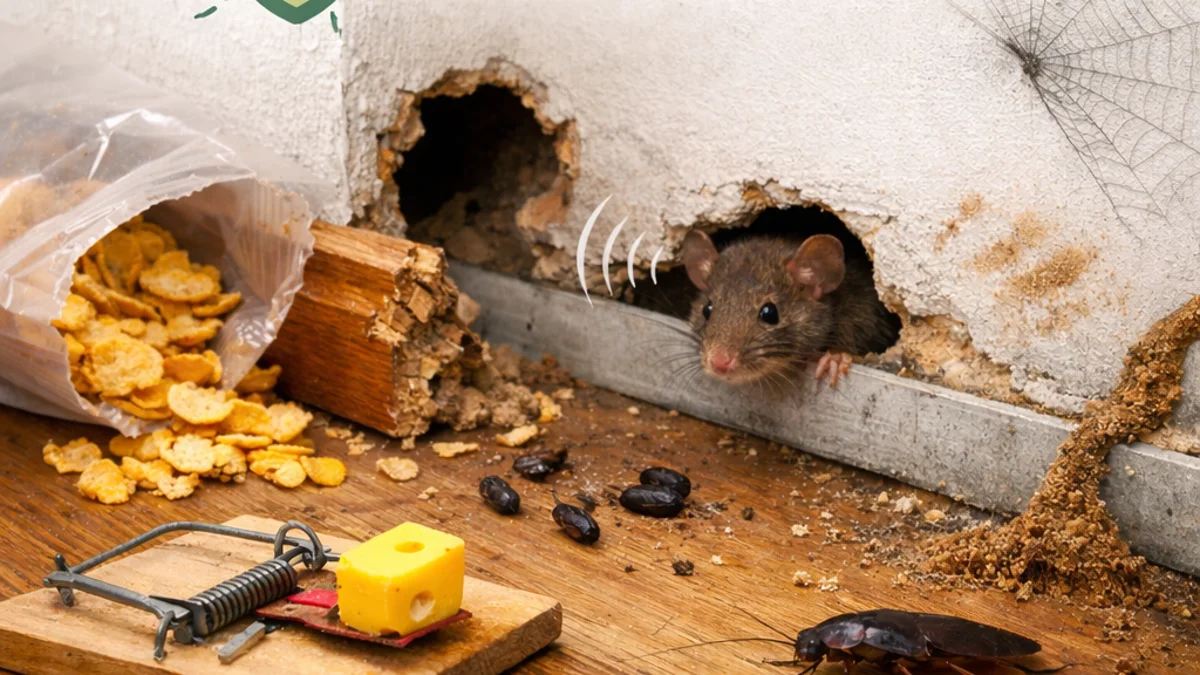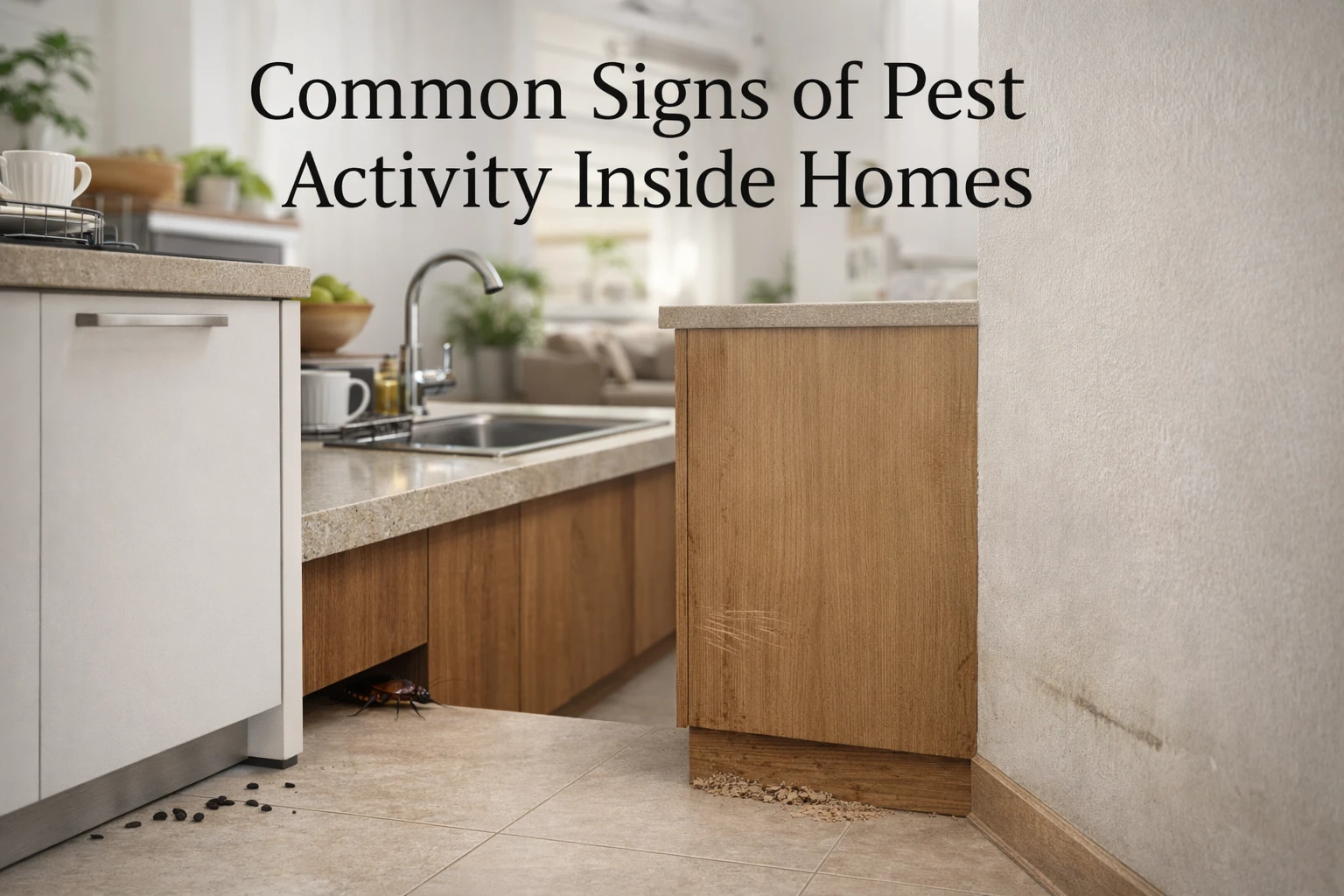

Typically, termites are not visible until a significant amount of damage has been done. By the time you notice the damage, the cost of repairs and the risk to the structure are usually quite high. Recognizing the early indications of termites is crucial for home owners who wish to safeguard their homes and prevent extensive damage.
In this post, you will learn how to spot termites even before the damage becomes obvious, which places indoors and outdoors that should be checked, and how taking prompt steps is the most effective way of combating termites.
Why Early Warning Signs of Termite Detection of Matters
Termites stealthily consume wood and cellulose-based matter, and they generally eat the insides first. Thus, it is challenging to realize with the naked eye that there is an infestation without inspection.
Detecting signs of termites at an early stage is beneficial to the following:
- Stop the house from losing its structural integrity
- Minimize the money spent on repairs
- Prevent a large-scale infestation
- Ensure the safety of the housing unit for a long time
Being alert beforehand gives you the opportunity to take precautionary actions even before the harm has spread.
Common Areas Where Warning Signs of Termite
It is always easier to tell if there are any signs when you already know where termites are likely to be.
Foundation and Walls
Termites usually make an attempt to get into a house through the soil that is close to the foundation, wall cracks, or walls that are damp.
Wooden Structures
Wood door frames, window sills, cabinets, and furniture are typical areas that they feed on.
Moist and Hidden Spaces
Bathrooms, kitchens, basements, and places that are around leaking pipes will most likely attract termites.
If you look at these areas closely, you will be more likely to see early signs of termite infestations when you are doing a home inspection.
Early Signs of Termites Homeowners Should Watch For
Mud Tubes on Walls or Foundations
If you find mud-like tubes on your walls, foundation, or near pipes, it could be an early sign of termite infestation. These tubes serve as cover and a way to regulate temperature for termites when they move around between wood and soil.Tubes help to keep the termites safe from the environment and thus enable the termites to travel easily from soil to wood and vice versa.
Hollow or Weak-Sounding Wood
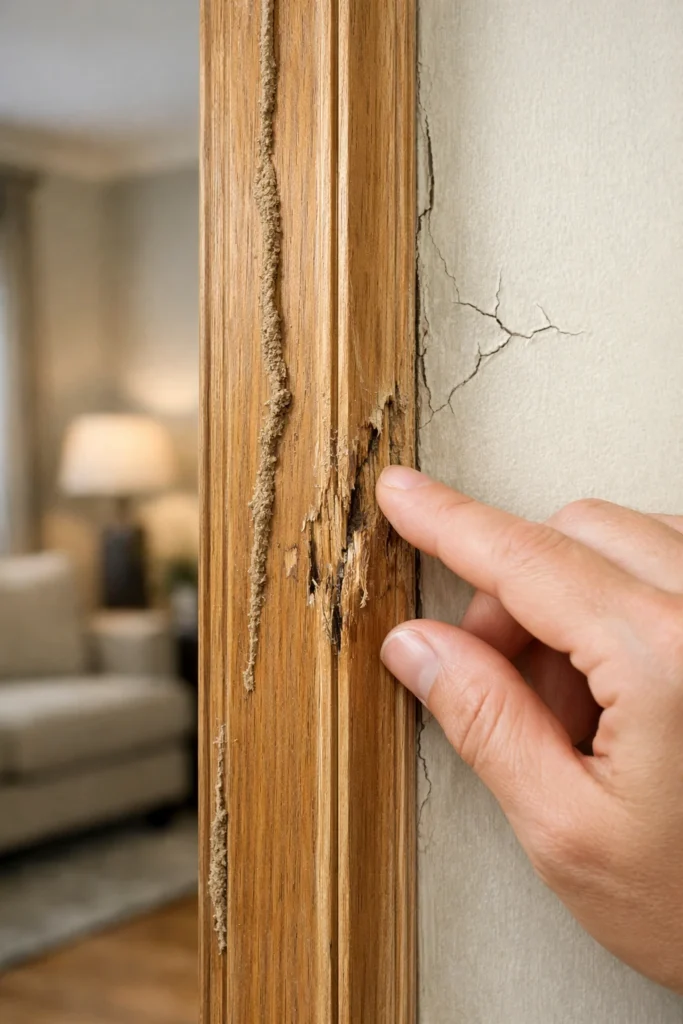
If wood gives a hollow sound when you knock it, then it might be revealing one of the things that termites have done to the interior without it being externally visible.
Peeling Paint or Bubbling Surfaces
Sometimes, termite pest, as well as moisture, can cause the paint to peel, bubble, or become uneven.
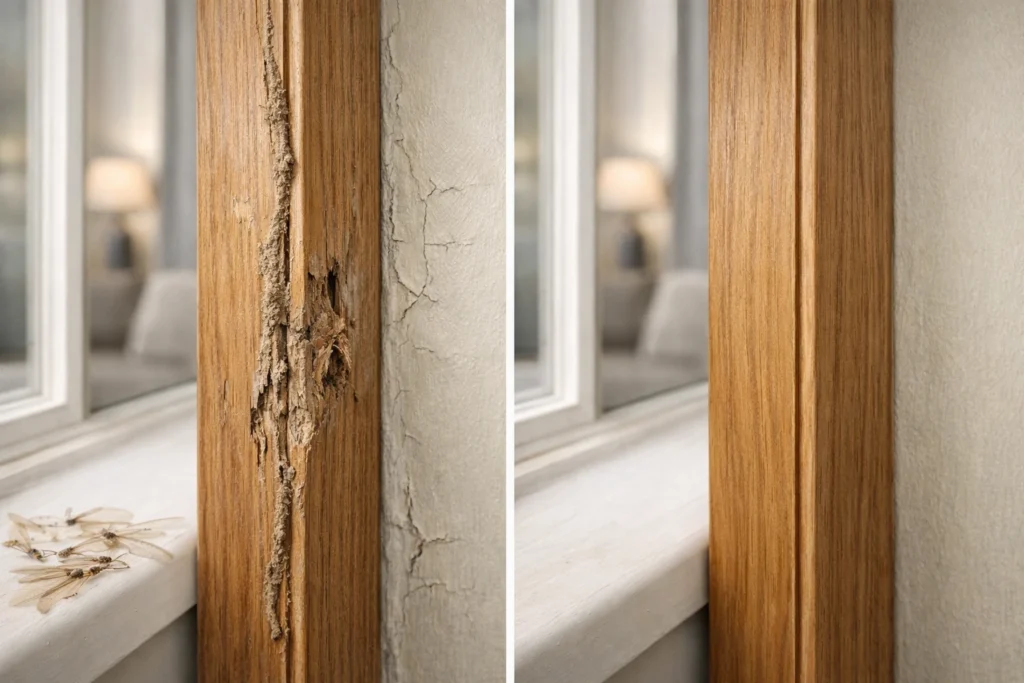
Discarded Wings
Winged termites lose their wings after the swarming process. So, if you find tiny, clear wings near the places where light is coming in, the infestation may have just started.
Tight-Fitting Doors and Windows
Wooden frames of doors are usually the main targets of termites. As a result of such damage, moisture accumulates, and you might find it hard to open doors and windows due to their warping.
Less Obvious Warning Indicators
There are a few signs of termites that are not so obvious, and people commonly confuse them with general wear and tear of the house.
Fine Wood Dust or Droppings
Some people often notice little heaps of wood particles in different corners and simply dismiss them as wood shavings or sawdust.
Cracks in Wooden Surfaces
Termites are able to create holes on the inside of wooden surfaces, thus causing the pieces of wood to crack or split.
Faint Clicking Sounds
When it is very quiet, you may tend to hear clicking noise that is coming from the walls. This is most likely to be the worker termites tapping or talking to each other.
Role of Moisture in Termite Activity
Termites infestations are greatly influenced by moisture. Wet conditions are more favorable for termites to live and move around.
Typical sources of moisture are:
- Leaking plumbing
- Poor ventilation
- Damp walls or floors
- Improper drainage
Initially, managing moisture is a very crucial step in preventing termite infestations alongside regular termite inspections. Homeowners who are keen on a broader range of maintenance strategies can take a look at our Pest Control category which will provide you with various guidelines.
What to Do If Early Warning Signs of Termite Are Revealed
Termite infestation can go unnoticed if the early signs are neglected. So if there is a sign of termite:
- Do not disturb the suspected area
- Do not try DIY chemical treatments without a proper assessment
- Book a professional termite inspection
By reading our related article on how moisture attracts pests, you can also learn about the role of environmental conditions in the development of pest infestations. Our article on water purifier maintenance might be a good read if you want to think more generally about household management, as it delves into the connection between sanitary upkeep and regular maintenance of water treatment systems.
Preventive Measures for Homeowners
Although professional inspections are a must, routine care by the homeowners can cut off the risks considerably.
Reduce Moisture Levels
Immediately repair leaks and ventilate kitchens and bathrooms properly.
Limit Wood-to-Soil Contact
Keep wood materials that are not in use away from the walls or soil.
Conduct Regular Visual Checks
Look over wood structures, furniture, and wall edges now and then.
Schedule Preventive Inspections
Regular check-ups make it possible to discover traces of termite activities before they turn into visible damage.
Professional Assessment and Long-Term Care
Termite infestation is not always evident to the naked eye. Thorough inspections not only help locate hidden infestations but also identify the areas that are at risk. Ghar Raksha Services, for instance, a service provider, offers their evaluations in a systematic manner along with preventive solutions that are designed to give your home protection for the long run.
Conclusion
Termites normally keep their presence a secret until they have caused so much damage that it is evident. Knowing termite signs early gives the homeowner the chance to do something in time and thus saving the house from being structurally damaged.
Homeowners can greatly lessen the chances of termite attacks if they keep watching for minor changes—such as hollow wood, mud tubes, or discard wings—and at the same time control the moisture level in their homes. Professional help is the right way to go when you are unsure so that any problem is handled in time and properly before it gets worse.